
Four elements. One culture. Fifty years of making something out of nothing.
By Roxy Riot | Coachella Scene
It Started With What They Had
Before the platinum records, sneaker deals and billion-dollar egos, there were kids in the Bronx making something out of damn near nothing.
Two turntables. A microphone. A piece of cardboard on the sidewalk. A spray can rattling in somebody’s backpack.
Nobody handed them a cultural revolution. They built one.
In the 1970s, young Black and Latino New Yorkers transformed music, dance and art into something that gave their communities a voice. DJ Kool Herc’s legendary 1973 Bronx party became a landmark in a movement that would eventually shake the entire planet.
November is Hip-Hop History Month, and we’re celebrating the culture that gave generations of outsiders a place to belong.
Because hip-hop was never just something you listened to.
It was something you lived.
Four Elements. One Culture.
Strip away the industry nonsense and you’ll find the foundation.
DJing. MCing. Breaking. Graffiti writing.
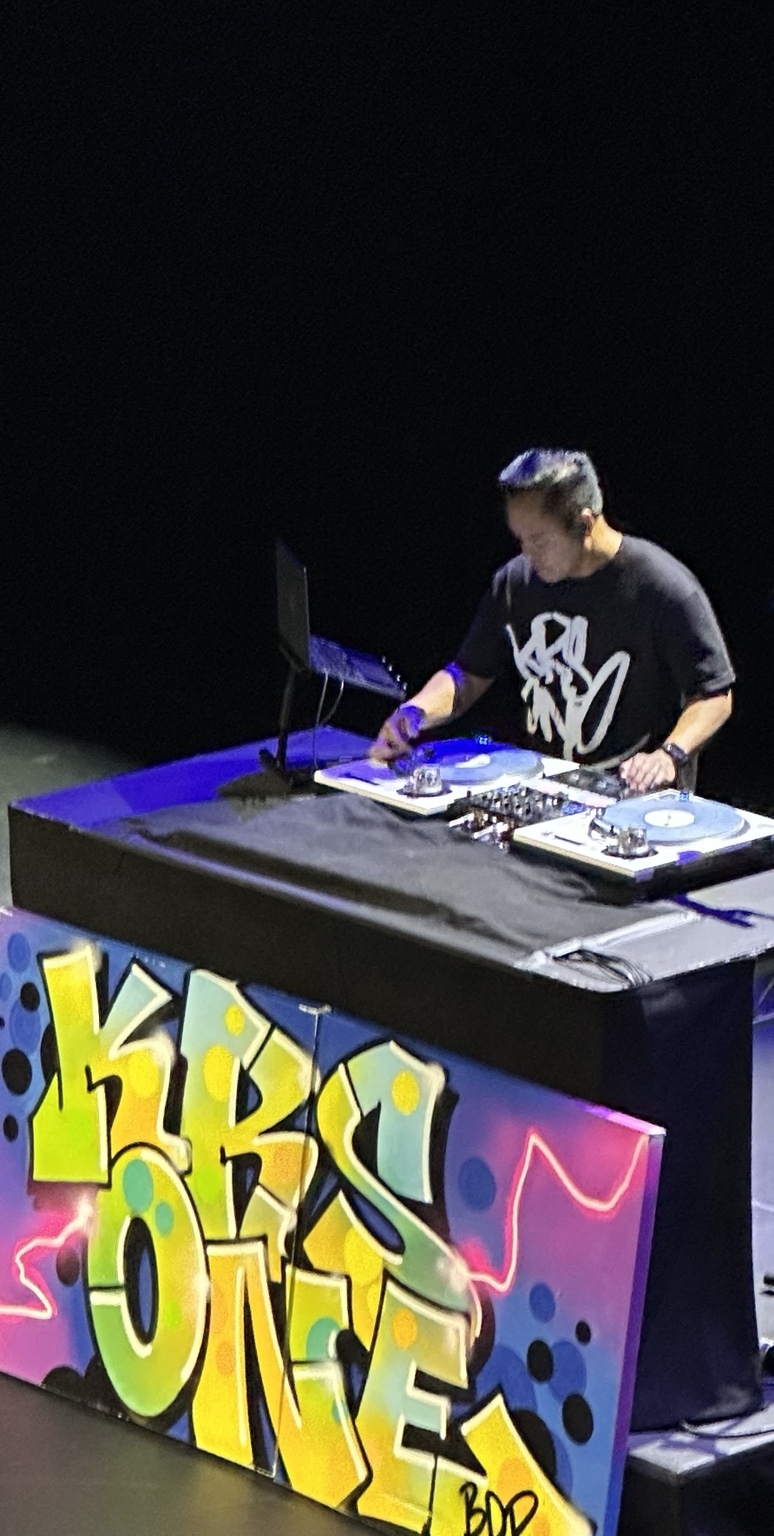
The DJ found magic between the grooves. Kool Herc extended the breaks. Grandmaster Flash pushed the turntables further. Scratching, cutting and mixing turned records into instruments and DJs into musicians who could create something entirely new.
The MC gave the streets a voice. Stories, battles, politics, humor, pain and pride. Sometimes all in sixteen bars. The microphone became a place to speak your truth, even when nobody wanted to hear it.
The b-boys and b-girls took the rhythm to the floor. Breaking transformed movement into identity, competition into creativity and a patch of pavement into a stage.
The graffiti writers took the alphabet apart and rebuilt it in their own image. Tags became throw-ups. Throw-ups became pieces. Names became art, stretched across walls and subway cars in colors and styles that refused to be ignored.
These traditions grew from overlapping communities, eventually becoming the foundation of a worldwide culture.
And for plenty of people, they were more than hobbies.
A crew became family. A dance circle became a place to belong. A sketchbook or a pair of turntables became somewhere to put the anger, imagination and energy that had nowhere else to go.
Hip-hop didn’t solve everybody’s problems.
But for some, it helped save their lives.
The Teacha Brings the Culture to The Novo
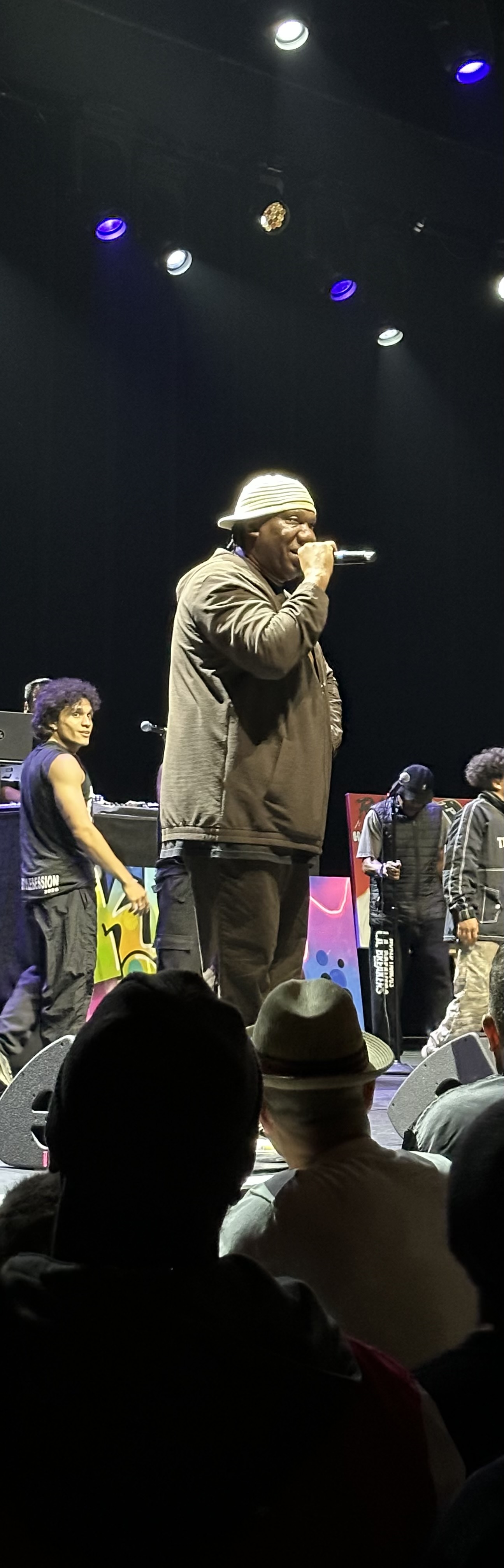
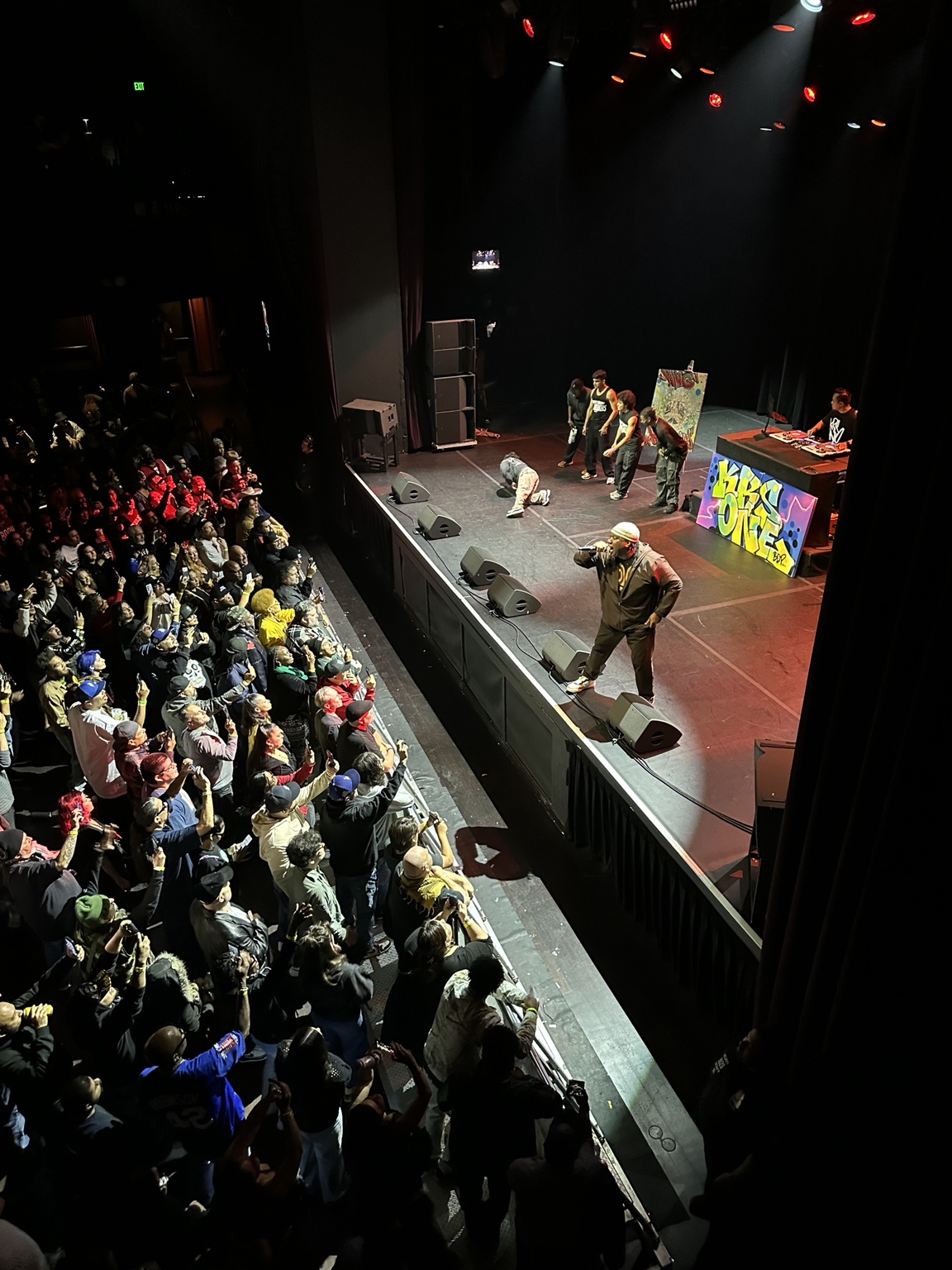
On November 1, 2026, KRS-One stepped onto the stage at The Novo in downtown Los Angeles and reminded everyone why they call him The Teacha.
He didn’t just talk about the four elements. He brought them.
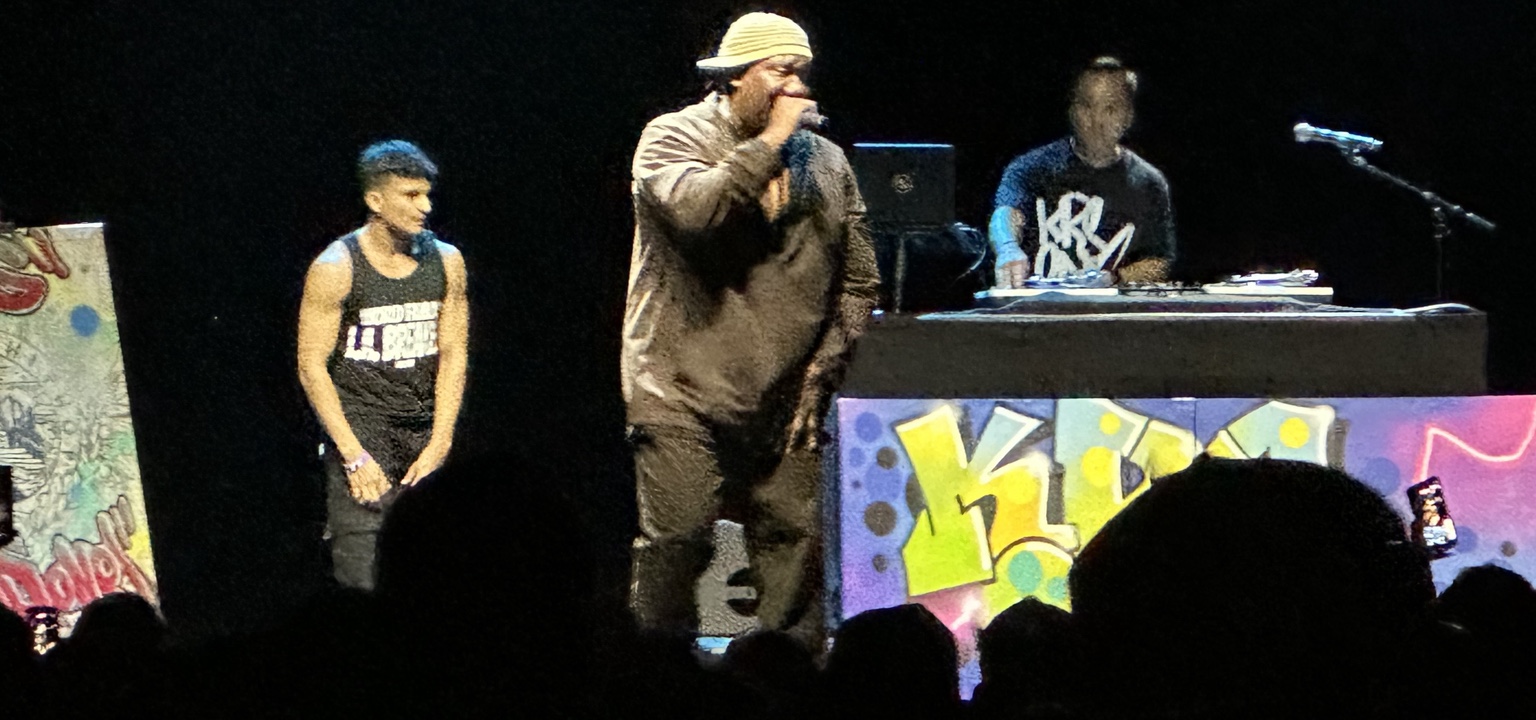
A DJ behind the decks. B-boys breaking. A finished graffiti piece bearing his name. And the Blastmaster himself commanding the microphone.
Four elements. One stage.
A Coachella Scene concertgoer estimated fewer than a thousand people in attendance, but the energy felt twice as big.
KRS-One ran through the classics and then some, occasionally wandering into deep metaphysical territory. One minute you’re hearing hip-hop history, the next you’re contemplating the universe.
The crowd was locked in.
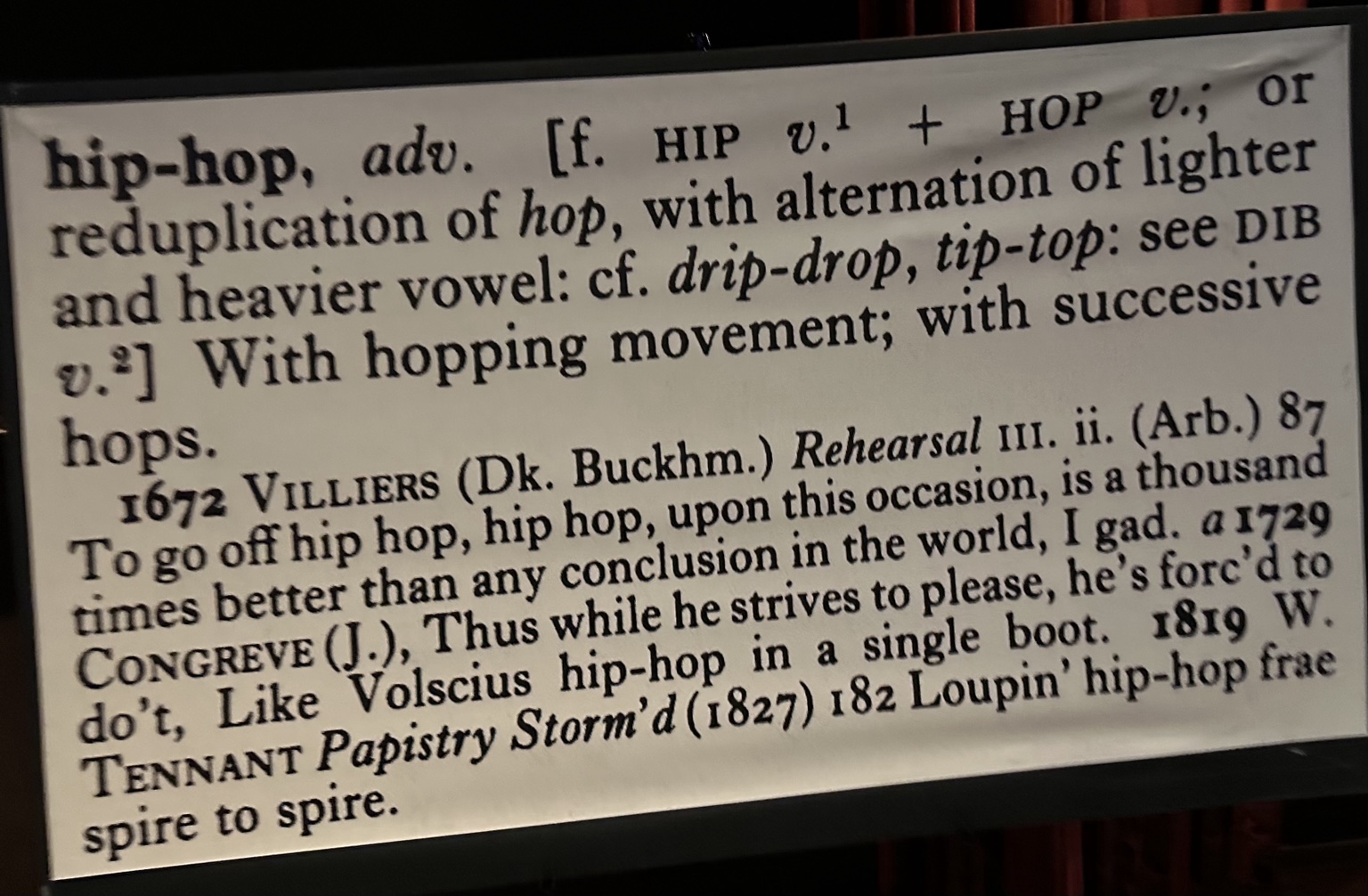
Educational displays explored hip-hop’s history and philosophy, reinforcing the message KRS-One has spent decades spreading: this is a culture, not just a product.
And toward the end, he started tossing autographed tennis balls into the audience.
Because apparently even The Teacha knows when it’s time for recess.
The Culture That Built Our World
Hip-hop never stayed inside its original boundaries.
Sampling changed music production. Turntablism made scratching an art form. Breakbeats helped fuel jungle and drum & bass. Graffiti became an international visual language.
And sometimes it all collided in wonderfully strange ways, like DJ Qbert’s Wave Twisters, where the Dental Commander inhabits a bizarre animated universe powered by turntablism and hip-hop imagination.
That creative freedom is part of Coachella Scene’s DNA.
This magazine grew out of graffiti writing, scratching records, producing beats and getting hopelessly lost in jungle breaks.
Even Sludge, our resident graffiti monster, comes from that same impulse to turn music, art and imagination into something of our own.
We’re not claiming to represent the whole culture.
We’re just some weirdos who found a home in it.
Keep Passing It Down
More than fifty years later, hip-hop is still alive wherever somebody’s chopping samples at 3 a.m., sketching wildstyle letters, stepping into a dance circle or grabbing a microphone with something to say.
And here in the Coachella Valley, those are the people we want to find.
Not just the famous names. The writers, DJs, MCs, dancers and producers keeping the culture moving.
This November, show some love to the pioneers. Dig deeper than the hits. Support the people making something original.
Because hip-hop’s greatest legacy isn’t just the music.
It’s the people who found their voice, their community and sometimes their way through life because of it.
Four elements. One culture. Countless lives changed.
The Desert Has a Scene.

Leave a Reply